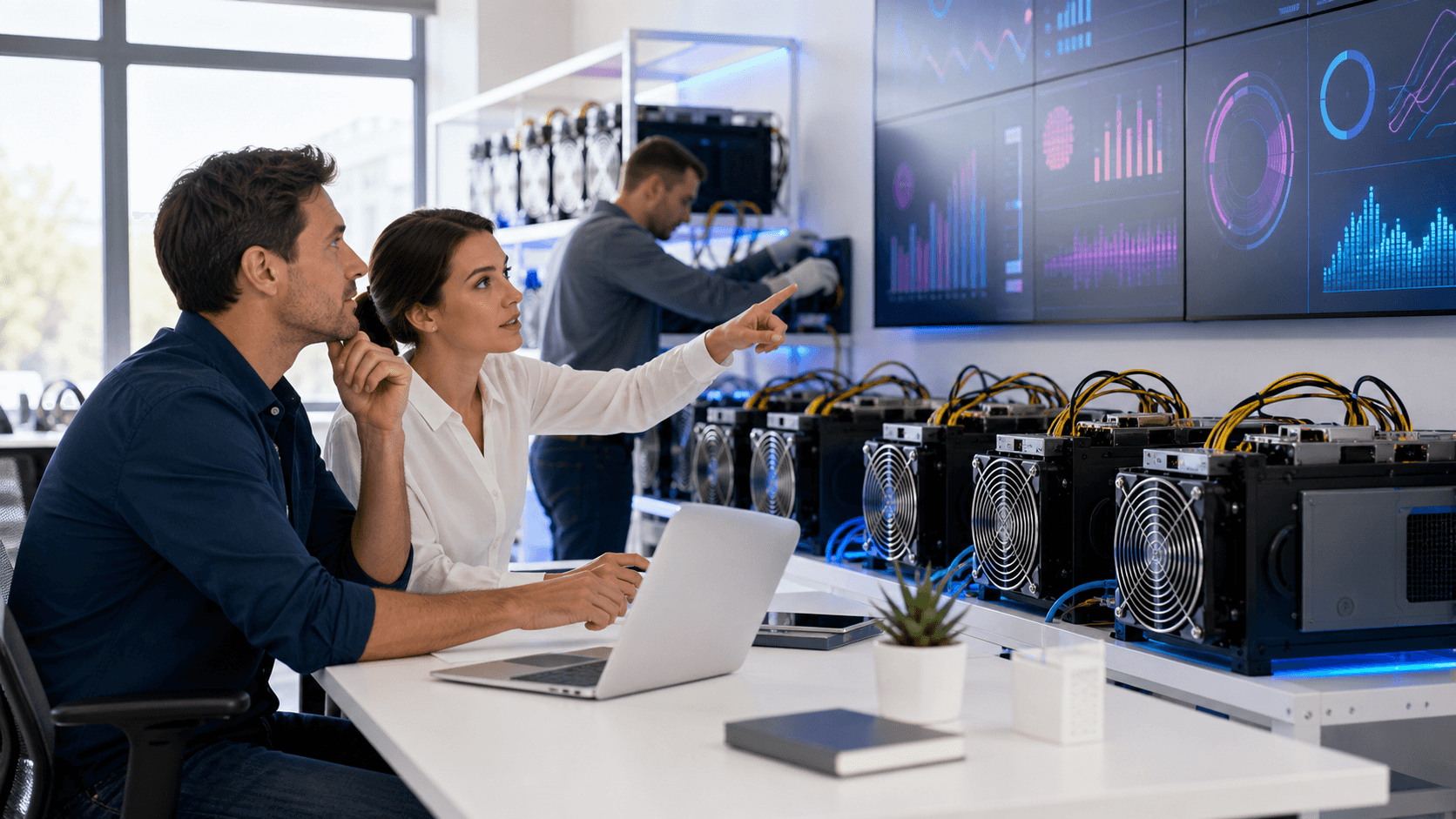
Is BitAxe Mining Profitable? Real Costs, Odds, And Returns
Can a BitAxe miner make money? Learn how electricity use, solo-mining odds, hardware setup, and uptime affect what you may earn from a compact home ASIC.
Get a Realistic BitAxe Profit Answer Before You Buy
A BitAxe miner can earn Bitcoin, but it is not a guaranteed income machine or a predictable source of daily profit. Your result depends on your electricity rate, the miner's hashrate, Bitcoin's price, network difficulty, uptime, and the very small chance of solving a block while solo mining.
We think of a BitAxe as a home-mining hobby with real Bitcoin upside. It produces valid hashes every second it is online, helping you take part in Bitcoin mining from home. Still, a compact ASIC has only a tiny share of the total Bitcoin network hashrate. That means most solo miners will never find a block, even after a long time running.
There is also an important difference between pool mining and solo mining. In a pool, miners combine their work and receive small payouts when the pool earns rewards. With true solo mining, you keep the full block reward if your miner finds a block, but you may receive nothing for a very long time.
For many buyers, a BitAxe makes sense because they enjoy learning, want hands-on Bitcoin hardware, value mining Bitcoin directly, or want a low-power shot at a solo block. If you need dependable monthly income, a single BitAxe miner is usually not the right tool.
Know Your BitAxe Miner Costs Before You Buy
The purchase is only one part of owning a BitAxe miner. We recommend thinking about the full setup before placing the miner on your desk or shelf. Depending on the model, you may need a compatible power supply, cables, replacement fans, cooling upgrades, and spare parts for long-term ownership.
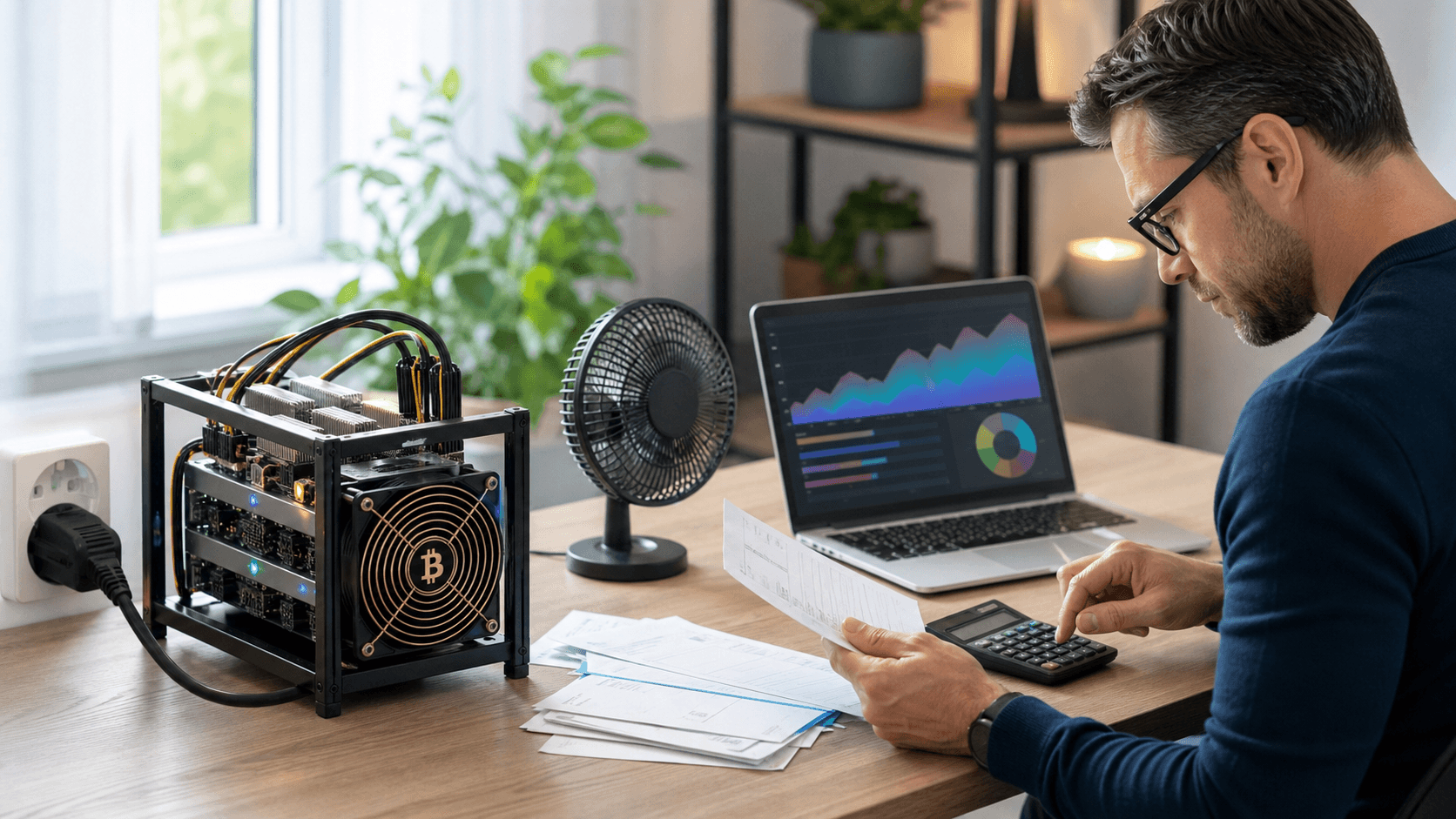
Your ongoing electricity expense is simple to estimate:
- Divide the miner's watts by 1,000
- Multiply that number by 24 hours
- Multiply the result by your local electricity rate
- Add any extra cooling power used in the room
Use the rate from your own utility bill instead of a national average. A low electricity rate can make a big difference over time, while a high rate can quickly outweigh small mining returns.
Hashrate and efficiency matter together. More terahashes per second gives your BitAxe more chances to find a block. Lower wattage helps control what you spend to keep it online. Before choosing a model, we recommend comparing the listed hashrate, power draw, included accessories, and cooling needs for the current BitAxe Gamma 601, BitAxe Supra Hex 702, or available BitAxe GT models.
Hot late-summer weather deserves extra attention, especially in Texas. A compact ASIC still puts heat into the room, and your air conditioner may work harder as a result. Good airflow, a compatible fan, and a sensible placement area can protect the miner's uptime while keeping your space more comfortable.
Understand Solo Mining Odds and Expected Returns
Solo mining is best understood as a long-odds event, not a daily payout plan. Your BitAxe miner's chance of finding a block comes from its share of total Bitcoin network hashrate. The network is enormous, so one compact miner has a very small chance during any given period.
The basic expected-return math uses your miner's hashrate, the network hashrate, block production, the block subsidy, and transaction fees. Bitcoin produces about 144 blocks per day, and the current block subsidy is 3.125 BTC, plus transaction fees. Those numbers help calculators estimate what a miner could earn over a very long period.
That estimate does not mean you will receive a small slice every day when mining solo. A solo BitAxe could run for years without finding a block. Another miner could get extraordinarily lucky much sooner. The reward is real, but the odds are closer to a lottery than a paycheck.
Mining calculators can be helpful, but they change as Bitcoin price, difficulty, fees, and network hashrate move. We suggest entering the exact hashrate and wattage listed for the model you are considering, then using your actual electricity rate. Treat the result as a moving estimate, not a promise.
Compare BitAxe Returns with Your Mining Goals
Your goal should guide the hardware choice. For a budget-conscious buyer who wants to learn ASIC mining, run a compact home device, and try solo mining, a BitAxe Gamma 601 can be a sensible starting point. It fits the buyer who values the experience as much as the possible reward.
Buyers who want more home-friendly hashrate may prefer a BitAxe Supra Hex 702 or a BitAxe GT model, provided they are prepared for the right power and cooling setup. More hashrate improves your share of the network, but it does not turn solo mining into guaranteed income.
We often recommend comparing other compact miners when a single BitAxe does not match your goal:
- NerdQaxe++ Air or Hydro models for more home-mining hashrate
- NerdQaxe Rev 6.1 miners for buyers considering another compact ASIC path
- OctAxe miners for people seeking a larger home-mining setup
- Avalon Nano models or NerdMiner V2 for gifts, learning, and lower-commitment use
These devices serve different purposes. A small desktop miner can be fun and educational, while a stronger home ASIC may give you more hashing power. Neither should be purchased with an expectation of fixed monthly profit.
Protect Your Returns with Reliable Home Setup
Uptime matters because every minute offline is a minute without hashes. Your BitAxe needs stable power, dependable Wi-Fi or Ethernet where supported, the correct mining endpoint, and occasional monitoring. A setup issue that keeps the miner offline can matter more than small differences in advertised hashrate.
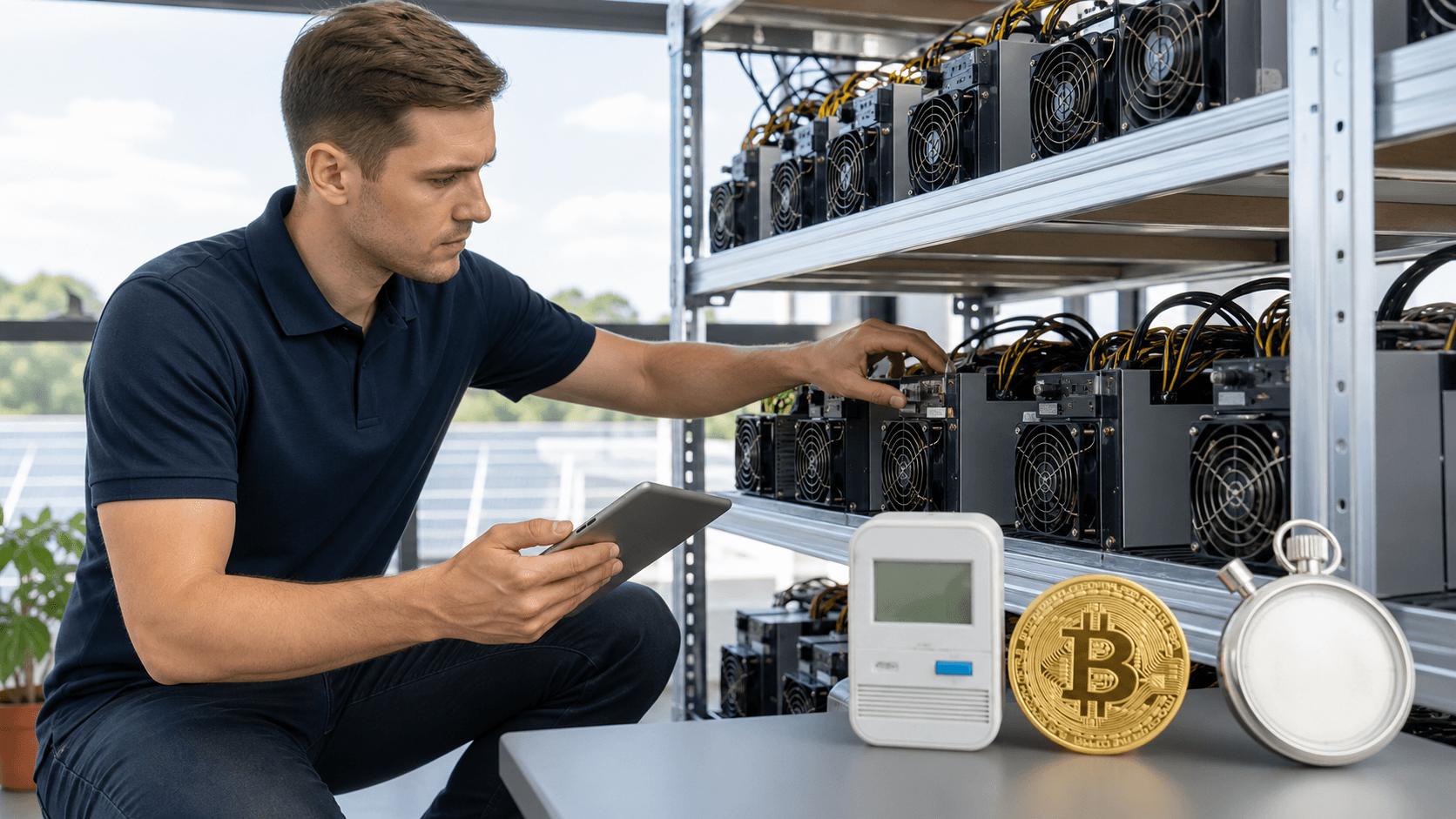
Placement matters, too. Compact ASIC miners are easier to live with than full-size industrial units, but they still create heat and fan noise. We recommend a stable, non-flammable surface with open airflow around the miner. Keep it away from direct sun, pets, enclosed cabinets, and areas where dust can build up quickly.
During warm weather, extra cooling equipment may help the miner operate more consistently. Compatible power supplies, cables, fans, and replacement accessories can also prevent avoidable downtime. As a veteran-owned Texas retailer, we test hardware, ship from the United States, and provide setup assistance to help customers avoid common configuration mistakes.
Choose the Right BitAxe Setup and Start Mining
BitAxe profitability is possible, but it is uncertain. The strongest setup combines a reasonable electricity rate, reliable uptime, sensible cooling, and honest expectations about solo-mining odds. For many owners, the real value is learning how Bitcoin mining works while keeping a compact ASIC running at home.
Before deciding, compare the listed hashrate and power needs of the BitAxe model you want with your room temperature, electricity rate, and mining goal. If you want a larger home-mining setup, a NerdQaxe or OctAxe may fit better. If you want a simple low-power way to participate in Bitcoin mining, a BitAxe can be a rewarding choice, as long as you treat any block reward as a possibility rather than a plan.
Choose Hardware That Fits Your Mining Goals
Compare the expected power use, noise, and setup needs before committing to a home-mining device. Our Bitaxe miner is a compact option for hobbyists who want to run real Bitcoin mining hardware without a large-scale operation. Saber Shore ships from the United States and supports customers with tested hardware and practical setup guidance. If you need help selecting the right miner or accessories, contact us before you order.
BitAxe Profitability FAQ
Can a BitAxe pay for itself?
A BitAxe can earn Bitcoin, but payback is not guaranteed. Electricity cost, Bitcoin price, network difficulty, uptime, and whether you mine solo or in a pool all affect the outcome. Buyers should view a compact solo miner primarily as a hands-on Bitcoin hobby with upside rather than a predictable return product.
How much electricity does a BitAxe use each month?
Monthly electricity use depends on the model's wattage and your local utility rate. Multiply the miner's watts by 24 hours and the number of days in the month, divide by 1,000, and then multiply by your electricity price per kilowatt-hour. Include any added room cooling when estimating your total cost.
Should I buy a BitAxe for solo mining or pool mining?
Solo mining is best for buyers who want a small chance at earning a full block reward and understand that long periods without earnings are normal. Pool mining is generally better for buyers who prefer smaller, more regular payouts instead of relying entirely on a rare solo-mining result.