Post-Halving Reality Check for Home Lottery Miners
After the halving, home solo and "lottery" Bitcoin miners still make sense if you treat them as a small, capped hobby and learning project, not a source of income. For most people, the best approach is to set a firm monthly budget, choose a quiet compact miner (or small cluster) that fits your space and noise limits, and value the heat and education more than the small chance of hitting a block.
If you want to get started right away, your simplest path is a low-power Bitaxe-style miner under $300 for pure lottery fun, then scale up later if you enjoy it.
Quick Comparison: Common Home Lottery Miner Paths
The table below compares the three main types of home lottery setups so you can see which path fits your goals and living situation.
Setup Type
Typical Hashrate
Power Use
Noise Level
Cooling Needs
Connectivity
Setup Difficulty
Ideal User
Best For
Ultra-low-power Bitaxe-style unit (e.g., Bitaxe, NerdQaxe-class devices)
300 to 800 GH/s
5 to 20 W
Very low (desktop PC / router-like)
Room ambient air; no special cooling
Wi‑Fi or Ethernet (varies by unit)
Plug-and-play with simple web UI
Beginners, renters, anyone noise‑sensitive
Learning, pure lottery mining, desk use year‑round
Mid-range compact miner cluster (2 to 4 compact units)
1 to 2 TH/s total
100 to 300 W
Low to moderate (small box fan level)
Basic airflow, open shelf, maybe small external fan
Usually Ethernet; some offer Wi‑Fi
Moderate: wiring PSU, configuring multiple miners
Tinkerers, serious hobbyists
Better odds than a single toy miner, light room heating in fall/winter
Undervolted older full ASIC (e.g., older-gen 30, 70 TH/s class)
5 to 20 TH/s (tuned down)
500 to 1,500 W
High without sound control (shop‑vac range)
Needs targeted airflow; often ducting or garage/basement placement
Ethernet
Advanced: power planning, firmware tuning, sound control
Experienced hobbyists with space and 240 V circuits
Room or basement heating in cold climates, higher hashrate lottery setups
Call to action: If you are new to home lottery mining and want the simplest, quietest start, a single Bitaxe-class miner under $300 is usually the best fit. Once you know your noise and heat tolerance, you can add more units or step up to a tuned-down full ASIC.
Choosing the Right Bitcoin Lottery Miner for Your Goals
Home lottery setups generally fall into three buckets:
- Ultra‑low‑power Bitaxe‑style units
- Mid‑range hobby clusters of compact miners
- Older full ASICs that are underclocked and quieted down
Here is how they differ in plain terms:
- Ultra‑low‑power Bitaxe-Style Units are perfect if you want quiet, simple fun. You plug them in, connect Wi‑Fi or Ethernet, and let them hum along in a home office or living room. They typically draw under 20 W, sound like a router or quiet desktop, and are easy to configure via a browser. These are ideal if you live in an apartment or share space with others.
- Mid‑range Hobby Clusters use a few compact units together for more hashrate without turning your house into a data center. A 1 to 2 TH/s cluster in the 100 to 300 W range can gently warm a small room and will be noticeable but not overwhelming noise‑wise, more like a box fan than a shop‑vac. Setup means wiring a solid power supply, Ethernet, and a bit more configuration.
- Repurposed Older ASICs make sense only if you have space, power, and a plan for noise and heat. Even underclocked, a 500 to 1,500 W ASIC will move serious air and generate significant heat. You usually want it in a basement, garage, or dedicated utility room, plus some thought put into sound-dampening and airflow.
When you compare specific models, look at:
- Hashrate: how many GH/s or TH/s it can sustain
- Electricity Use: wattage at your planned settings
- Noise Level: manufacturer specs plus real-user reports
- Cooling: does stock cooling fit your room, or do you need extra fans/ducting?
- Connectivity: Wi‑Fi vs Ethernet and how close you are to your router/switch
- Setup Difficulty: single-plug devices vs multi‑miner rigs and custom PSUs
- Ideal User: beginner, tinkerer, or advanced hobbyist
Best-for Recommendations by Budget & Use Case
These suggestions assume you are focused on lottery/solo-style mining, not ROI mining.
- Under $300, Best for Apartments and First‑timers
- Best for Quiet Desk Use and Learning: a single Bitaxe-class miner (Bitaxe or similar NerdQaxe-style unit). Under ~20 W, hash in the hundreds of GH/s, and you can run it on Wi‑Fi from a standard outlet. Noise is close to a small fan or router.
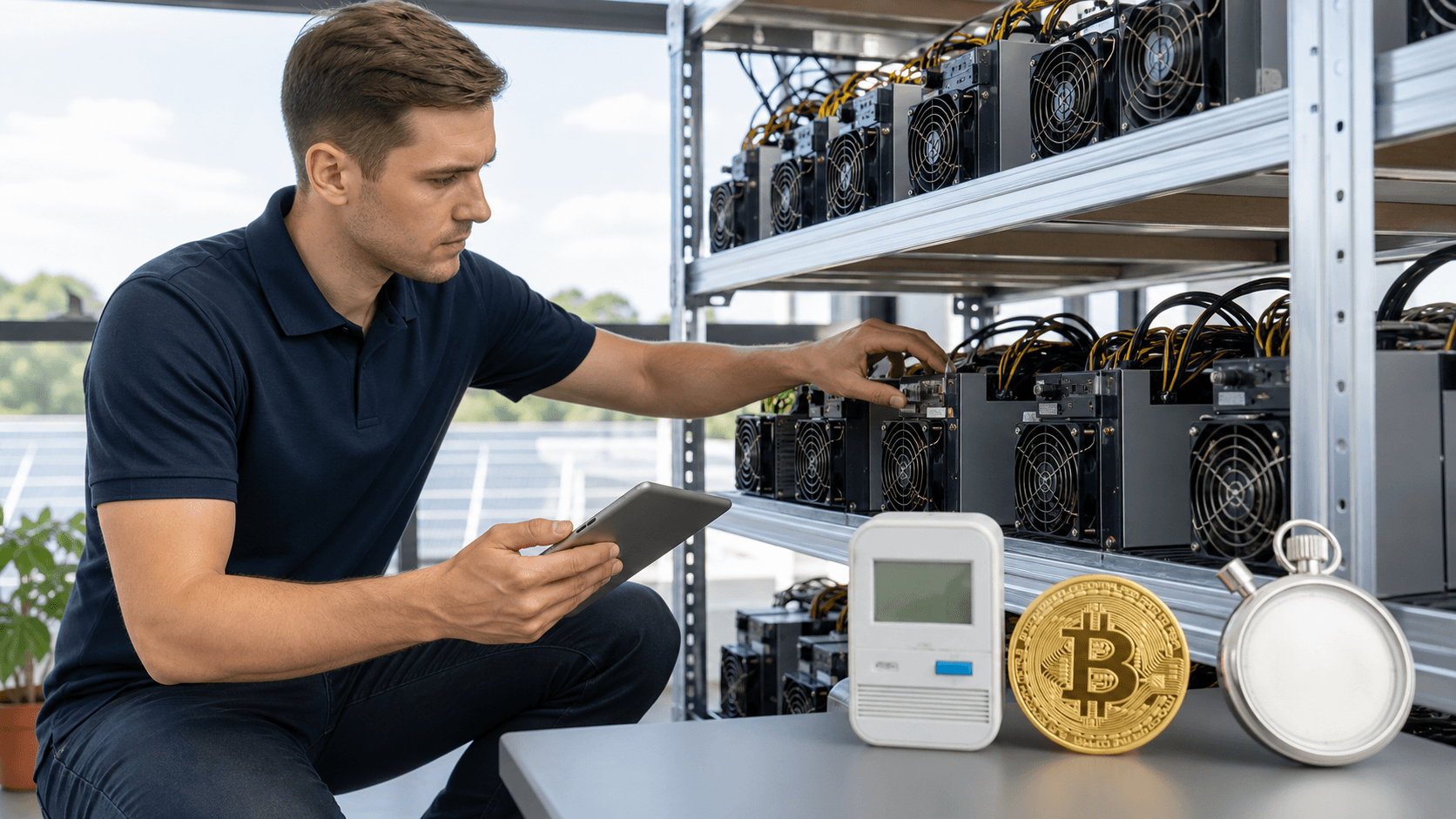
- Recommended Accessories: a small stand or bracket to keep airflow clear, and a basic smart plug or power meter so you can track real power draw.
- $300 to $800, Best for Serious Hobbyists Without a Rack
- Best for Better Odds Without Data-Center Noise: two to four compact miners (each 30 to 100 W) plus a quality ATX or server power supply. Total hashrate in the 1 to 2 TH/s range, enough to notice an uptick in lottery odds while still manageable in a spare room.
- Ideal User: someone comfortable wiring a PSU, checking logs, and experimenting with clock/power settings.
- Recommended Accessories: a high‑efficiency PSU, a small desktop fan to move warm air, and short, high‑quality Ethernet cables.
- $800+, Best for Garages, Basements, and Cold Climates
- Best for Maximizing Hashrate Per Dollar as a Hobby: an older‑generation full ASIC, underclocked to 5 to 20 TH/s and 500 to 1,500 W, placed in a basement, garage, or utility room with attention to sound control and cooling.
- Ideal User: advanced hobbyists with access to a 240 V circuit, willing to tune firmware and build a simple sound-dampening or ducting setup.
- Recommended Accessories: quality 240 V cabling, a dedicated PDU, ducting or an enclosure for noise, and temperature monitoring (simple indoor thermometer or smart sensor).
Call to action: Decide your monthly dollar cap first, then match it to one of the three budget tiers above. If you are unsure, start with a single low-power Bitaxe-style miner; you can always add more units or move up to an ASIC later.
Expected Value 101 for Home Bitcoin Lottery Miners
Expected value, or EV, is your "average" result if you could run the same setup over and over a large number of times. Your real result will almost never match that number, because solo-style mining is all about variance and luck, but EV helps keep your expectations honest.
For a Bitcoin lottery-miner, EV flows from:
- Total network hashrate
- Your hashrate
- Block reward plus average fees
- Bitcoin price in your local currency
- What you pay for electricity and hardware
After a halving, the block reward gets cut in half. If network hashrate keeps climbing, your odds of winning a full block with the same gear get worse unless difficulty drops a lot, which it rarely does for long. On paper, EV for solo or lottery mining is usually negative if you only count block rewards against power and hardware costs.
So why do people keep doing it? Because they also value:
- Learning how Bitcoin actually works
- The chance, even if tiny, of getting a full block reward
- Independence from large farms
- Extra heat in colder months
- The fun of checking stats and tweaking settings
Think of a tiny 1 TH/s setup against a huge global network. Your slice is real but very small, and doubling it does not suddenly make you "likely" to hit a block. It just nudges your odds. If your only goal is financial return, buying Bitcoin directly is almost always simpler. A good rule of thumb is to only spend what you would be fine "losing" on another hobby, like sports tickets, streaming subscriptions, or a PC upgrade.
Setting Spend Limits and Hashrate Targets That Fit Your Life
Start with your monthly budget, not with hashrate. Ask yourself how much you are comfortable spending each month on this hobby, including electricity. Some people like a higher cap in colder months, since mining heat replaces some normal heating, and a lower cap in summer.
To translate a dollar limit into hashrate and power, look at:
- Your electricity rate per kWh
- How much extra heat your home can use
- Your noise tolerance and where the miner will sit
- The circuit limits in that room
Helpful hashrate tiers:
- Under 500 GH/s: ultra‑quiet, plug‑in Bitcoin lottery miner, great for apartments and desks
- Around 1 to 2 TH/s: a small cluster of compact miners, more heat and noise, still "lottery" territory
- Above 5 TH/s: you need real power planning, cooling, and usually a dedicated space like a basement or garage
Match your tier to a rough setup style:
- Under $300 and Under 100 W: a single compact Bitaxe or NerdQaxe-class unit, USB or Wi‑Fi, simple "set it and forget it"
- $300 to $800 and 100 to 300 W: two to four compact miners with a good power supply and basic airflow help
- $800+ and 500+ W: a tuned‑down larger ASIC with a sound‑dampening setup, or multiple compact miners spread around your home
Always respect safety. Do not overload outlets, avoid long chains of cheap power strips, and consider using a plug‑in power meter or smart plug so you can see real‑world draw.
Redefining Success Beyond Hitting a Block
With lower rewards and higher network hashrate, tying your happiness only to "did I hit a block?" is a fast way to burn out. Home lottery miners do best when success is defined across a few areas:
- Skills: you learn how to run firmware, read logs, and maybe even run your own node
- Network: you add a tiny but real bit of hash to the network from your own home
- Comfort: your miner helps heat a room in cooler weather
- Community: you have something fun and real to show friends and family
Practical "win conditions" you can aim for:
- Getting comfortable setting up and monitoring a miner from scratch
- Offsetting part of a winter heating bill with mining heat
- Teaching kids, roommates, or friends what a hash actually is using a real live box on the counter
To protect your mindset, avoid obsessively refreshing "blocks found." Track things you can control: uptime, efficiency, cost, and comfort. Decide ahead of time when you will pause or shut down: maybe when local power rates spike, when difficulty jumps, or when the room gets too warm.
It also helps to keep a simple log. Track hardware cost, monthly energy, any Bitcoin earned, and a quick note on "fun level" or comfort. Over time you will see if this hobby is paying you back in ways that matter to you. When you upgrade, think about quieter fans, better power supplies, or small tuning gains instead of always chasing huge jumps in hashrate.
Call to action: Once you have run a single compact miner for a month or two and reviewed your log, decide whether to add a second unit, move to a small cluster, or stay where you are. Growing slowly keeps costs and expectations under control.
Quick FAQ for Home Bitcoin Lottery Miners
How Realistic Is It to Hit a Block at Home Post-Halving?
It is possible, but the odds are low, especially with sub‑TH/s setups. Think of it like winning a tough lottery where you can slowly buy more tickets over time by adding hashrate.
Should I Just Buy Bitcoin Instead?
If your only goal is financial return, buying and holding Bitcoin is simpler and more predictable. Mining adds non‑financial value like learning, heat reuse, and the satisfaction of earning coins with your own hardware.
How Loud and Hot Will These Miners Be?
Compact miners are usually closer to a desktop PC or small box fan. Larger ASICs, even underclocked, can get into "shop‑vac" territory without good airflow and fan tuning. Any power you draw eventually comes out as heat, so a few compact units can comfortably warm a small room in cooler months.
Do I Need a Full Bitcoin Node or Special Software?
For true solo mining, running your own node is ideal, but many home users do "lottery pool" mining through a service that acts like a solo pool. Most compact miners have simple web interfaces, and you can start with basic settings before you dig into advanced tools.
What If Difficulty or Price Changes a Lot?
You can lower or raise power settings, pause mining, or change your goals. Many people mine more when price and fees are high or when they want extra heat, and pause when conditions are less friendly.
Are These Products Usually in Stock?
Low-power compact miners and Bitaxe-style units tend to sell out in waves. If your preferred model is out of stock, consider a similar compact unit from another reputable brand in the same power and hashrate range, or sign up for the seller's restock email so you can jump on the next batch.
Final Call to Action
Decide what you are comfortable spending each month, then pick the smallest setup that fits your space, noise, and heat limits, typically a single Bitaxe-class miner under $300 for most new home lottery miners. Once you have that running, you can always upgrade to a compact cluster or a tuned‑down ASIC, but starting small keeps this hobby fun, affordable, and sustainable.
Start Mining Bitcoin With a Tool Built for Everyday Users
If you are ready to experiment with mining without committing to a full-scale setup, our bitcoin lottery miner is a practical way to get started. At Saber Shore, we focus on making hardware that is simple to set up, monitor, and enjoy as part of your broader Bitcoin journey. Explore how this compact device can fit into your goals, and if you have questions about power, noise, or configuration, just contact us so we can help you choose the right path forward.