Turn Your Bitcoin Lottery Miner Into an Energy Asset
A home Bitcoin lottery miner can help you lower your effective power costs and turn spare energy into a long-shot Bitcoin upside, as long as you treat it like a small, controllable appliance instead of a guaranteed money printer. By running it mainly when power is cheap, pairing it with solar when you have surplus, reusing the heat in cooler months, and adding simple automation, you can turn a low-power miner into a smart part of your home energy plan.
If you're ready to pick or upgrade a lottery miner, you'll find clear comparisons, "best for" recommendations, and practical setup tips below. When you're done, you should know exactly which device fits your power rates, noise tolerance, and budget.
What Is a Bitcoin Lottery Miner at Home?
When we say Bitcoin Lottery Miner, we're talking about compact solo miners such as Bitaxe boards or NerdQaxe-style boards. They:
- Use low power
- Are small enough to sit on a desk or shelf
- Are relatively quiet
- Give you a Tiny Chance at a full block reward instead of steady payouts from a pool
Think of it as buying one long-lived lottery ticket: as long as the miner runs, it keeps guessing for a block.
You should go in with the right expectations:
- Odds of hitting a block are low.
- There is no promise of profit.
- What you *can* control is your power cost, uptime, noise, and comfort.
If you combine a miner that fits your home with a smart schedule (cheap power, good airflow, useful heat), you give yourself the best chance at a long, enjoyable run.
Key Specs for Home Lottery Miners (Plain English)
Home-focused Bitcoin lottery miners are very different from the large, loud ASICs used in warehouses.
Typical home lottery miner traits:
- Hashrate: tens of gigahash per second (GH/s) instead of terahash (TH/s)
- Electricity Use: roughly 15‑60 watts
- Noise: more like a small fan or desktop PC than a server rack
Here's what matters and why:
Hashrate
- What It Is: How many guesses your miner makes each second.
- Why It Matters: More hashrate = more chances to hit a block, but also more power and more heat.
- Home Reality: Expect tens of GH/s. That's normal for hobby, lottery-style devices.
Electricity Use
- Typical Range: About 15‑60 watts, depending on the board and settings.
- On Your Bill: Similar to a bright LED bulb or networking gear, not a space heater.
- Key Factor: With low power draw, When you run the miner (Time-of-Use pricing) often matters more than the exact wattage.
Noise and Cooling
Most lottery miners use:
- Small fans
- Simple heatsinks
- Plastic or open-frame enclosures
You still want to:
- Give them Open Air on all sides
- Keep Vents Clear of cloth and dust
- Keep Some Distance from your bed or quiet reading spot
Connectivity and Setup Difficulty
Bitaxe, NerdQaxe, and similar boards range from beginner-friendly to hobbyist-focused:
- Some models are nearly Plug-and-Play with built-in Wi‑Fi and simple web interfaces.
- Others expose more firmware settings and monitoring, which suits people who like to tweak.
Before you buy, it helps to know:
- Your power rate and Time-of-Use (TOU) schedule
- How many spare outlets and how much breaker capacity you have
- How quiet the miner needs to be to fit your home or apartment
If you already have that information, you're ready to match a miner to your situation.
Using TOU Rates, Schedules, and Automation
If your utility uses TOU pricing, your cost per kilowatt-hour changes throughout the day. Power is often:
- Expensive: late afternoon and early evening
- Cheaper: overnight and on weekends
A Bitcoin lottery miner is perfect for soaking up those cheap hours. It doesn't care *when* it runs. It just benefits from the most uptime you can give it at the lowest cost.
Basic Schedule Strategy
- Check your power bill for Off-Peak and Super Off-Peak windows.
- Choose a run window, for example:
- 10 p.m. to 6 a.m. on weekdays
- Most of the weekend
- Use a Smart Plug or built-in scheduling to turn the miner on during cheap hours and off during peak hours.
You'll lose some hashrate when the miner is off, but you lower the Average Cost Per Guess, which matters most over the long term.
Simple Automation Ideas
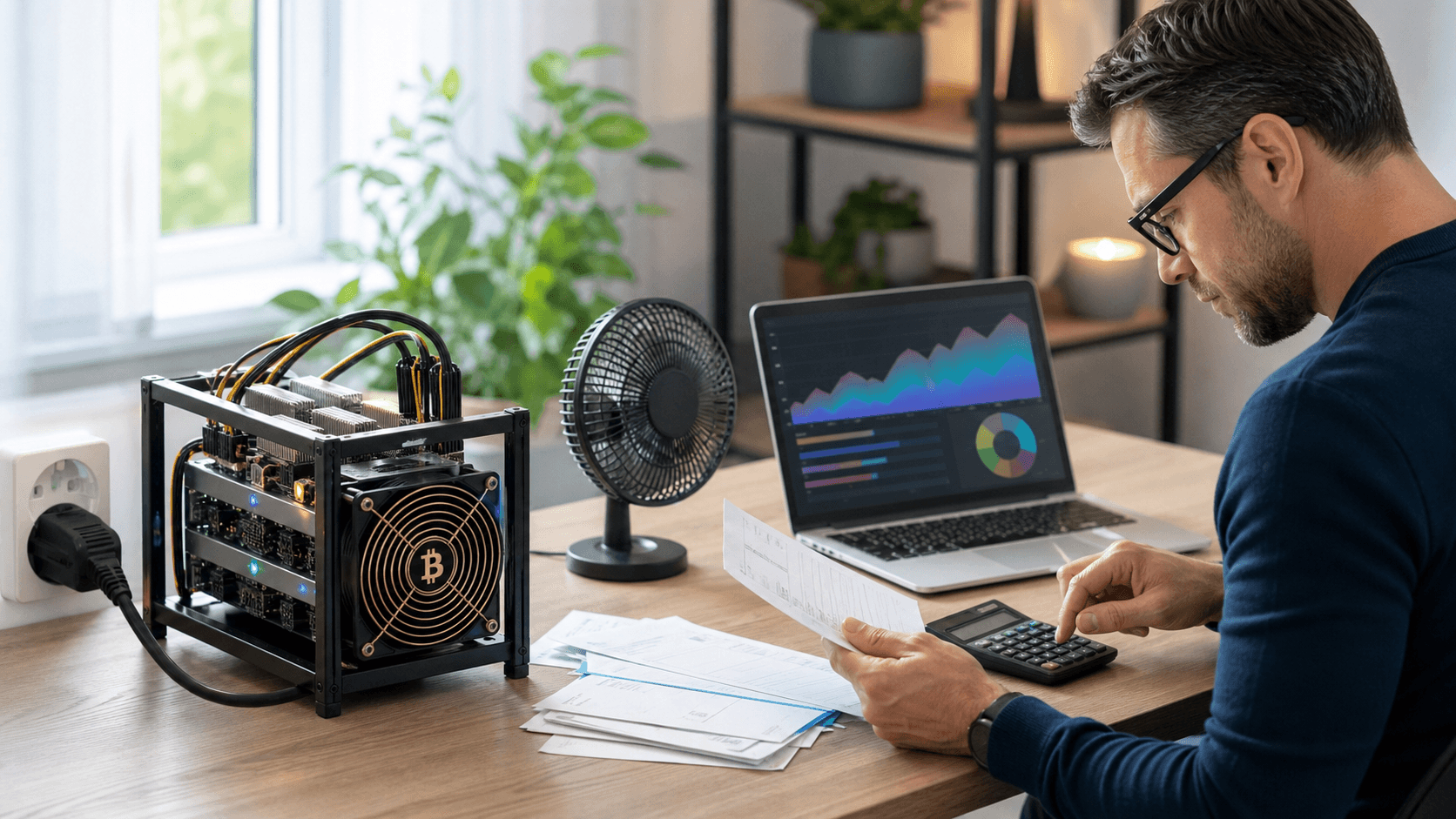
- Smart plugs with Energy Monitoring so you can see real-time and daily draw
- Home Assistant (or similar) to pause mining automatically when large loads (oven, AC, EV charger) are on
- Where supported, integrations that read Live Rate Data from your utility and adjust schedules on their own
The goal is straightforward: the miner should Avoid Peak Rates and blend into your normal background load, only waking up when power is cheap and plentiful.
If you don't have a smart plug yet, it's one of the most useful first accessories for a home lottery miner.
Pairing a Lottery Miner with Solar and Heat Reuse
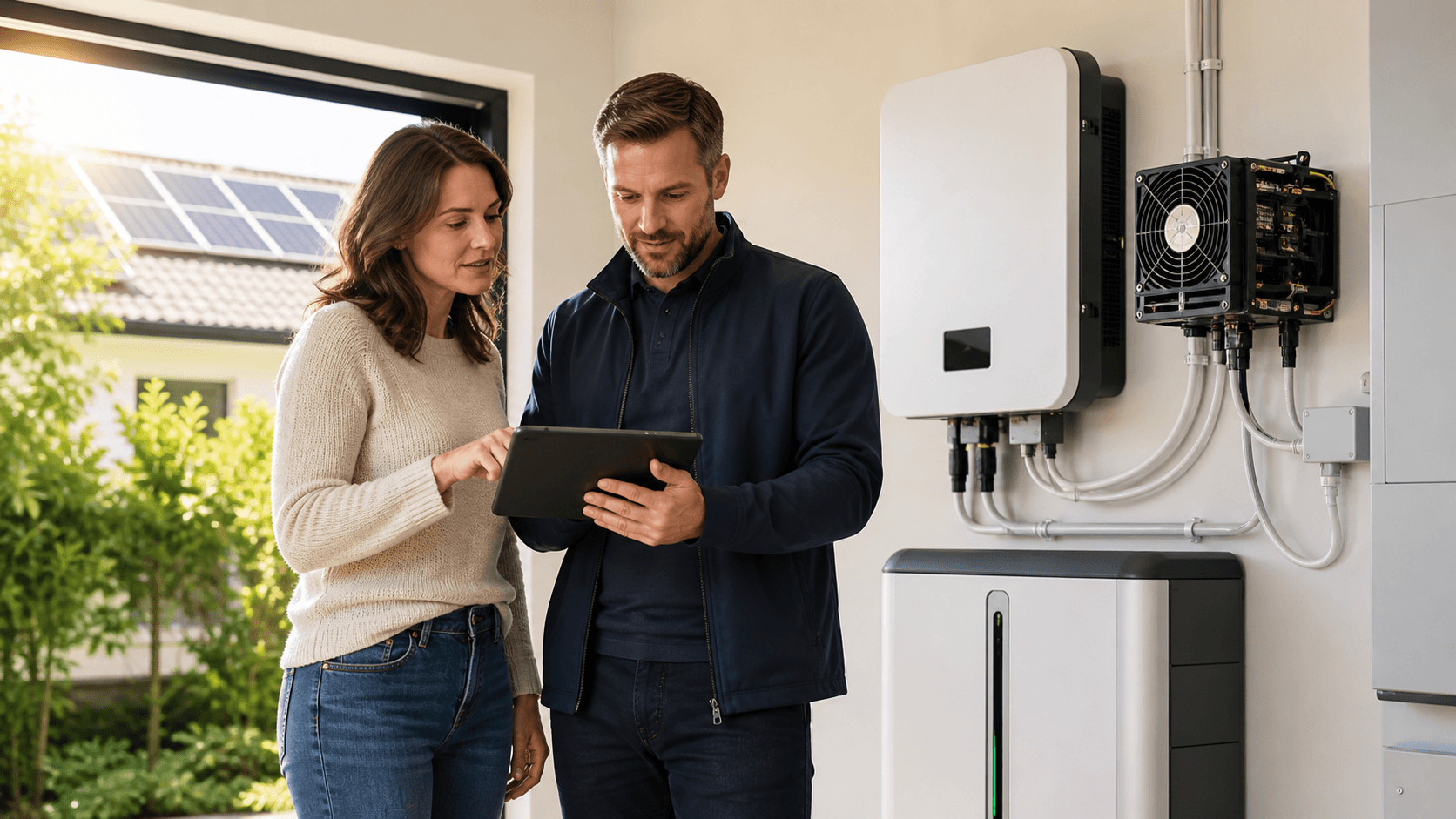
With Grid-Tied Solar
If you have grid-tied solar, a lottery miner can:
- Use midday surplus that would otherwise export to the grid for a small credit
- Turn that surplus into a Continuous Chance at a block
A miner in the 20‑60 watt range behaves like a small, always-on daytime load. When your panels cover your household usage, those watts effectively come from your roof instead of the grid.
Heat Reuse in Cooler Months
Every watt your miner uses turns into heat in the room:
- ~20 watts: like a warm power brick in a small nook
- ~60 watts: like a gentle, always-on mini heater in a small office or bedroom
In fall and winter, you can:
- Run the miner more in the evening to take the edge off a cool office
- Let part of your heating spend also buy you Mining Time
In spring and summer, you'll likely:
- Move the miner to a cooler room or basement
- Use simple ducting or an enclosure to direct hot air toward a hallway or exhaust fan
- Shift more runtime to night when outdoor temperatures and rates tend to be lower
Safety and comfort basics:
- Keep Airflow Open and dust under control
- Avoid locations where kids or pets can touch hot parts
- Aim for sound levels that blend into normal background fan/PC noise
Comparing Popular Home Lottery Miners
People often ask about "ROI" with these devices. With lottery miners, the only guarantees are:
- Your Electricity Cost
- Your Uptime
- The experience and enjoyment you get from running your own gear
Luck determines whether you ever hit a block. Because of that, it makes sense to choose primarily on Comfort, Power Costs, and Fit With Your Home Energy Plan, rather than chasing tiny differences in odds.
Below is a neutral, feature-focused comparison of common home-style boards you'll see on the market.
Home Lottery Miner Comparison
> Note: Hashrate and power figures are typical ranges for this class of hardware and may vary by exact revision and tuning. Always confirm current specs from the manufacturer or seller.
| Model Type | Typical Hashrate (GH/s) | Power Use (W) | Noise Level & Cooling | Connectivity | Setup Difficulty | Ideal User / Use Case |
|---|---:|---:|---|---|---|---|
| Entry Bitaxe-Style | ~10, 30 GH/s | ~15‑30 W | Very quiet; small fan + basic heatsink | Wi‑Fi (usually) | Easy: web UI, minimal steps | First-time home miners, apartments, tight budgets |
| Mid Bitaxe-Style | ~30, 60 GH/s | ~25‑45 W | Quiet to moderate; more airflow needed | Wi‑Fi; some add Ethernet | Easy‑moderate: more options | Users with cheap TOU rates or solar, want more hashrate |
| NerdQaxe-Style Board | ~40‑80 GH/s | ~35‑60 W | Moderate; benefits from tuned cooling | Varies; often Ethernet + Wi‑Fi | Moderate‑advanced: firmware tweaks | Hobbyists/tinkerers who like telemetry and tuning |
These are general categories rather than specific SKUs, but they map closely to what you'll find from current suppliers.
"Best for" Recommendations
- Best Under a Tight Budget / First Miner:
- An Entry Bitaxe-Style Miner with Wi‑Fi and low power draw.
- Pros: minimal setup, quiet, easy to live with even in a small apartment.
- Best Balance of Hashrate and Power Use:
- A Mid-Range Bitaxe-Style Board.
- Pros: higher hashrate while staying in a modest wattage band; a good match for cheap TOU power or modest solar surplus.
- Best for Tinkerers and Hobby Miners:
- A NerdQaxe-Style Open Board.
- Pros: more firmware options, better telemetry, and freedom to experiment with custom cooling and integrations.
If the exact model you're after is out of stock, look for:
- A similar Power Range (so it fits your TOU and solar plan)
- Comparable Noise and Cooling requirements
Where possible, sign up for restock emails from your preferred vendor so you can grab the exact version you want when it returns, and use a close alternative as a stopgap.
Helpful Accessories and Upgrades
Relevant add-ons that improve the experience:
- Smart Plug with Energy Monitoring, for schedules and real-world power data
- Spare 40/60/80 mm Fan (depending on your board), for quieter or more reliable cooling
- Small Stand or Wall Mount, keeps airflow clear and cables tidy
- Basic Dust Filters if you're in a dusty room or workshop
These are optional but often worth the small extra cost over the life of the miner.
Simple Setup and Monitoring
Setting up a home lottery miner is usually straightforward.
Placement
Choose a spot with:
- Open air on all sides
- A solid surface (no beds, couches, or soft cloth under it)
- Some distance from your pillow, TV, or quiet reading area
Avoid stacking it directly on other warm electronics.
Electrical and Network
- Plug the miner into a Dedicated Outlet if possible, or a lightly loaded circuit.
- Connect via Wi‑Fi or Ethernet, depending on the board.
- Open the miner's web interface and:
- Confirm power, temperature, and fan readings
- Enter your Solo Pool or Node Details
- Save and start mining
Watch temperatures and fan speed for the first hour to make sure everything is stable.
Monitoring Over Time
You don't need a complex setup:
- Use the miner's web page to check Hashrate, Temperature, and Uptime.
- Use a smart plug or meter to track Daily and Monthly kWh Usage.
- If you're comfortable with it, add a simple Spreadsheet or Home Assistant Dashboard to see how your TOU schedule affects cost per day.
With that data, you can refine your schedule to hit the best combination of low cost and comfortable heat/noise.
FAQ: Common Buyer Questions
Can a Bitcoin Lottery Miner Really Ever Hit a Block?
Yes. The odds are low, but non-zero. More hashrate and more uptime on cheap power improve your chances, but it's still a lottery-style bet.
How Much Will This Add to My Power Bill?
A typical home lottery miner behaves like leaving a strong light or small fan on. At roughly 15‑60 watts, the exact impact depends on your rate. Using off-peak hours and solar surplus can bring the Effective Cost Per Month down significantly.
Is the Noise Ok for an Apartment?
Most lottery miners are in the range of a small room fan or desktop PC. With decent placement, a solid stand, and (if needed) a quieter fan swap, many apartment users find them acceptable in a home office or living room, but not right next to a bed.
Do I Need My Own Bitcoin Node to Use One?
No. You can point your miner at a Public Solo Pool to get started. Running your own node offers more control and privacy, but it's an optional upgrade, not a requirement for day-one use.
How Do Difficulty Changes and Halvings Affect Me?
As difficulty rises and block rewards halve over time, your odds of hitting a block with small hashrate get tougher. That's why Low Power Usage, Good Uptime, and Long Hardware Life matter: they keep your cost per guess reasonable over a long period.
Long-Run Mindset: Treat It Like a Smart Appliance
The healthiest way to think about a Bitcoin lottery miner is as a Small, Smart Appliance that:
- Soaks up your cheapest power
- Adds a bit of usable heat in cooler times
- Teaches you more about mining and home energy
- Keeps a long-shot ticket open for a future block
With basic dusting, fan checks, and occasional firmware updates, these boards can run through multiple network cycles and changes in your home power plan.
When you're ready, choose the miner class that fits your power, noise, and budget, add a smart plug for control, and let it quietly work in the background while you focus on keeping your cost per kilowatt-hour as low as possible.
Boost Your Bitcoin Potential With Purpose-Built Mining Power
If you are ready to put idle hardware funds to work, our Bitcoin lottery miner gives you a focused, efficient way to participate in the network. At Saber Shore, we build and source hardware that prioritizes reliability so you can focus on strategy, not troubleshooting. Take the next step toward your mining goals by exploring the specs and seeing how this unit fits into your setup. If you have questions or want tailored guidance, simply contact us and we will help you plan the right approach.