Find the Best Bitcoin Lottery Miner for Your 2026 Setup
The best Bitcoin lottery miner depends on what matters most in your space: low noise, a lower-power first setup, more hashrate, or a compact miner that fits near your desk. For many first-time buyers, we recommend the Bitaxe Gamma 601 as a practical place to start. Buyers who want more hashrate and can manage more heat, power use, and fan noise may prefer a larger option.
Bitcoin lottery mining is real solo mining, but we want to set honest expectations from the start. A small home miner has an extremely low chance of finding a Bitcoin block. These machines make sense for the learning experience, support for decentralization, open-source hardware interest, and the excitement of participating directly in proof-of-work, not as dependable income equipment. As early fall approaches, it can be a smart time to build, test, and tune a setup before holiday demand and year-end Bitcoin interest pick up.
As a veteran-owned Texas retailer, we ship hardware from the United States and focus on tested, verified equipment, secure ordering, careful packing, and support after delivery.
Bitcoin Lottery Miner Comparison
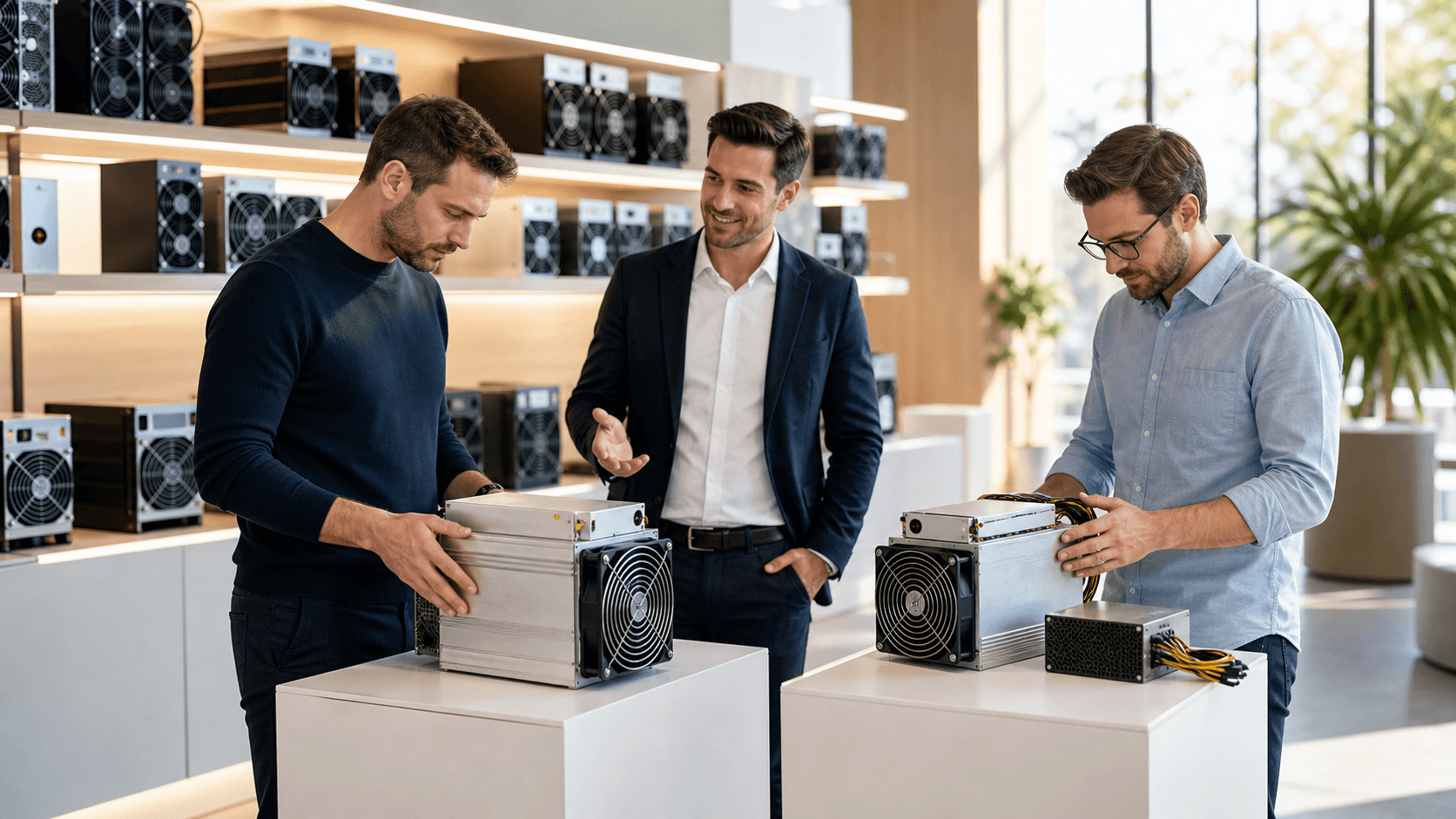
When we help customers choose a miner, we look beyond the lowest purchase price. Hashrate, power draw, fan noise, cooling needs, setup difficulty, and available space all matter. A faster miner may be a better fit for an enthusiast with ventilation, while a smaller unit may be the right choice for a desk, office, or first home setup.
Product ratings can change with firmware, tuning, power supply choice, room temperature, and cooling configuration. Before ordering, we recommend confirming the current price and specifications shown on the active SaberShore product listing.
Typically priced around $199, the Bitaxe Gamma 601 delivers about 1.2 TH/s while using roughly 17 watts. Its small fan produces modest fan noise, making it a practical option for first-time solo miners, desks, and lower-power hobby setups.
At around $499, the BitAxe Supra Hex 702 delivers about 4.2 TH/s while using roughly 90 watts. Fan noise depends on the included cooling configuration, and it is best for buyers who want more hashrate in a compact home-mining format.
Around $299, the Avalon Nano 3S delivers about 6 TH/s while using roughly 140 watts. It operates at approximately 40 dB and suits quiet home or office miners seeking a polished experience.
Priced around $399, the NerdQaxe Rev 6.1 Air delivers about 2.4 TH/s while using roughly 70 watts. Hydro configurations can provide higher hashrate with different power and cooling requirements, while air-cooled versions produce more audible fan noise than lower-power desk miners. It is best for enthusiasts wanting higher-performance compact solo mining.
At around $599, the OctAxe delivers about 4.8 TH/s while using roughly 120 watts. Its noise level depends on the listed cooling requirements, and it is best for advanced hobbyists seeking a stronger home setup.
If your preferred model is unavailable, we recommend joining our restock email list rather than guessing when inventory will return. In the meantime, we can help you compare an available alternative that fits the same space, power, and noise needs.
Choose the Right Miner for Your Buyer Type
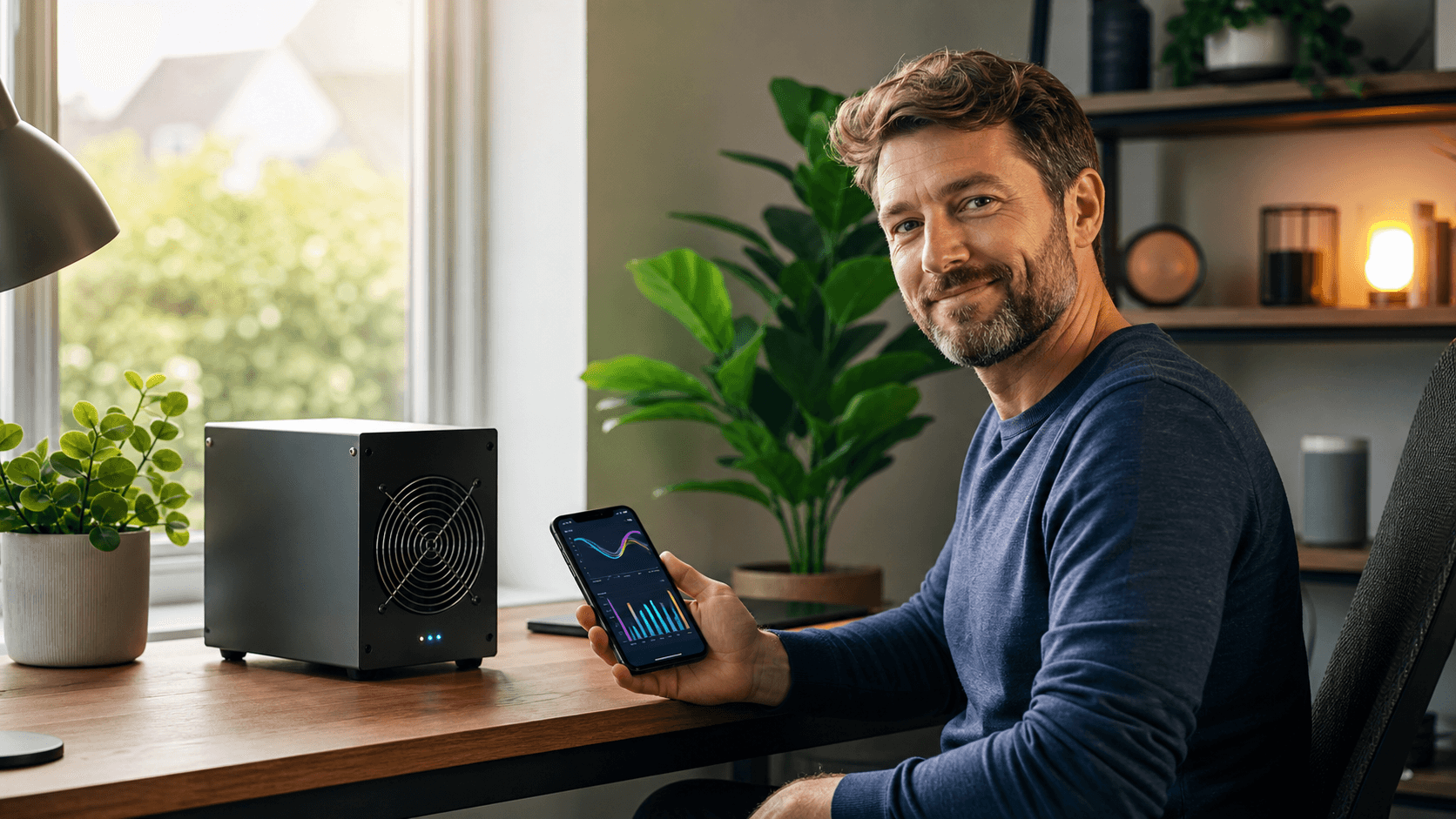
For a low-power first miner, the Bitaxe Gamma 601 is often the easiest recommendation. It gives you a compact way to learn the basics of solo mining, pool settings, Bitcoin payout addresses, and heat management without starting with a larger home-mining build. If the listing requires a separate power supply, use the compatible verified option specified for that model.
Buyers who care most about a home-friendly experience should consider the Avalon Nano 3S. Its appeal is simple: it is aimed at people who want a more polished compact miner with less setup friction. We still suggest placing any miner away from heat-sensitive rooms and leaving breathing room around its fans.
For more serious compact hashrate, the BitAxe Supra Hex 702 and NerdQaxe Rev 6.1 deserve a closer look. The NerdQaxe Air setup and Hydro setup have different cooling demands, so it is important to select the version that matches your available space and comfort level.
- Choose the Bitaxe Gamma 601 for a compact, lower-power starting point.
- Choose the Avalon Nano 3S when noise and ease of placement matter most.
- Choose the Supra Hex 702 or NerdQaxe Rev 6.1 when you are ready for more heat and hands-on setup.
- Choose the OctAxe when you have dedicated space, ventilation, and stable networking.
The best bitcoin lottery choice is the one you can run safely and comfortably. The best Bitcoin lottery miner is not automatically the one with the highest hashrate. It is the one that fits your power capacity, cooling plan, and interest level.
Understand Solo-Mining Odds Before You Buy
A lottery miner works by independently sending hashes, or guesses, to the Bitcoin network. If a miner finds a valid block, that miner receives the block reward plus transaction fees. You do not need a giant mining operation to take part, but the Bitcoin network is highly competitive, which makes a block find extraordinarily unlikely for a small home device.
No model can promise a block, predictable earnings, or a payback period. More hashrate gives your miner a larger share of possible block-finding probability, but it does not turn compact hardware into a reliable profit machine. The network hashrate changes constantly, so there is no honest way to promise a timeline.
We explain it as a global drawing with an enormous number of entries. Every hash is another entry, and a miner with more hashrate receives more entries than a smaller miner. Still, luck remains part of the result.
Many buyers choose solo miners for reasons beyond earnings:
- Learning how Bitcoin mining and proof-of-work function
- Supporting a more decentralized network
- Exploring open-source hardware and self-sovereignty
- Collecting compact mining hardware and enjoying the rare-block possibility
For first-time owners, we recommend reviewing our solo-mining and Bitcoin mining setup guidance before powering on a new unit.
Plan for Power, Cooling, Noise, and Setup
Every miner turns much of the electricity it uses into heat. Before choosing hardware, confirm that your intended outlet, power supply, room airflow, and placement can handle the model. Use the exact compatible power supply listed for your miner, avoid overloaded power strips, and estimate monthly electricity use using your local utility rate and the model's listed wattage.
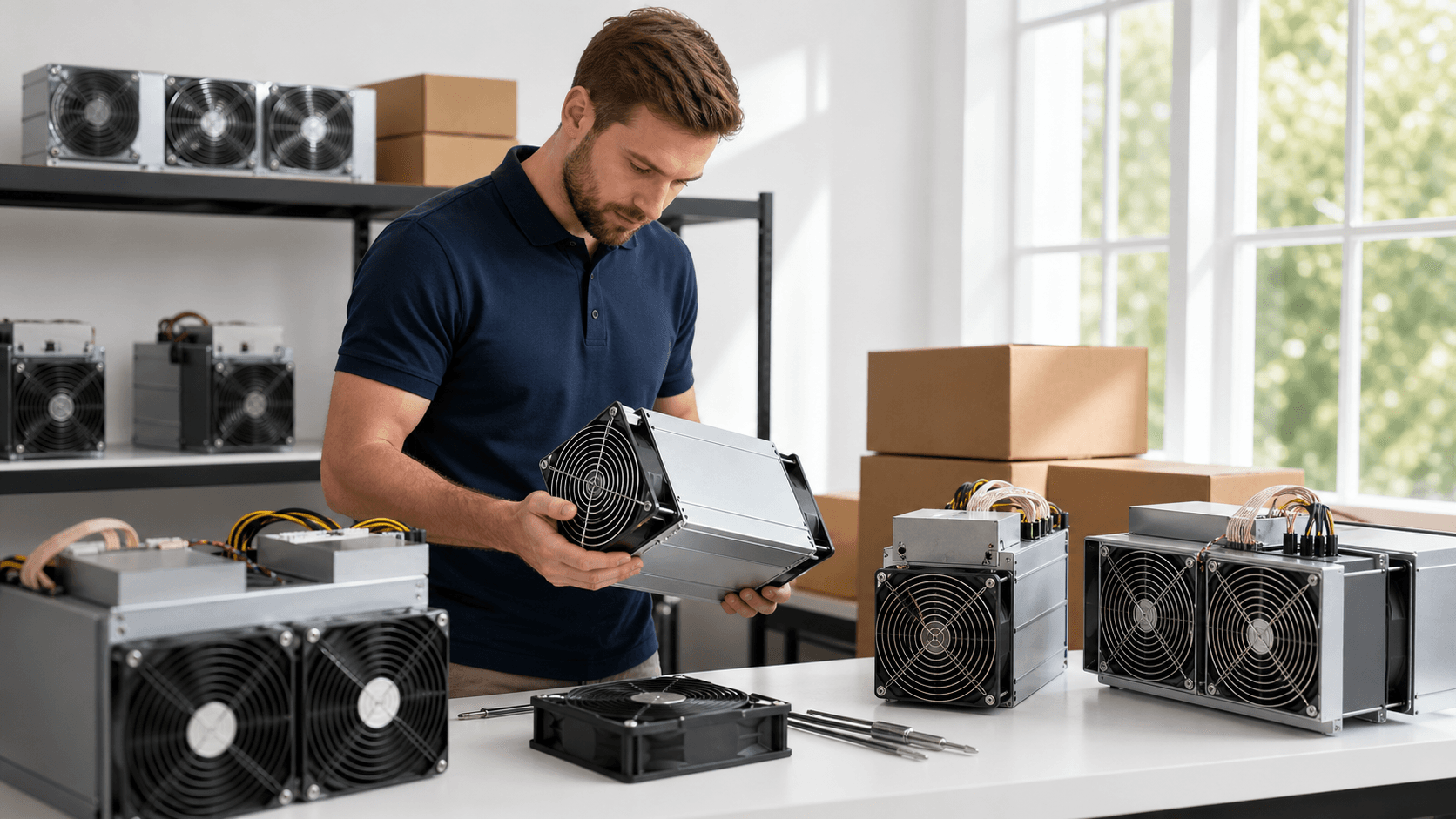
Open airflow makes a major difference. Leave clearance around intake and exhaust fans, keep miners out of enclosed cabinets without purpose-built ventilation, and check for dust buildup regularly. Higher-output units may need compatible cooling gear, replacement fans, stronger airflow, or hydro components depending on the model.
Most lottery miners also need stable internet, initial Wi-Fi or Ethernet setup, a Bitcoin payout address, and a solo-mining pool or self-hosted endpoint. The Avalon Nano 3S can suit simpler home setups, while NerdQaxe and OctAxe configurations are generally better for buyers comfortable with more hands-on management.
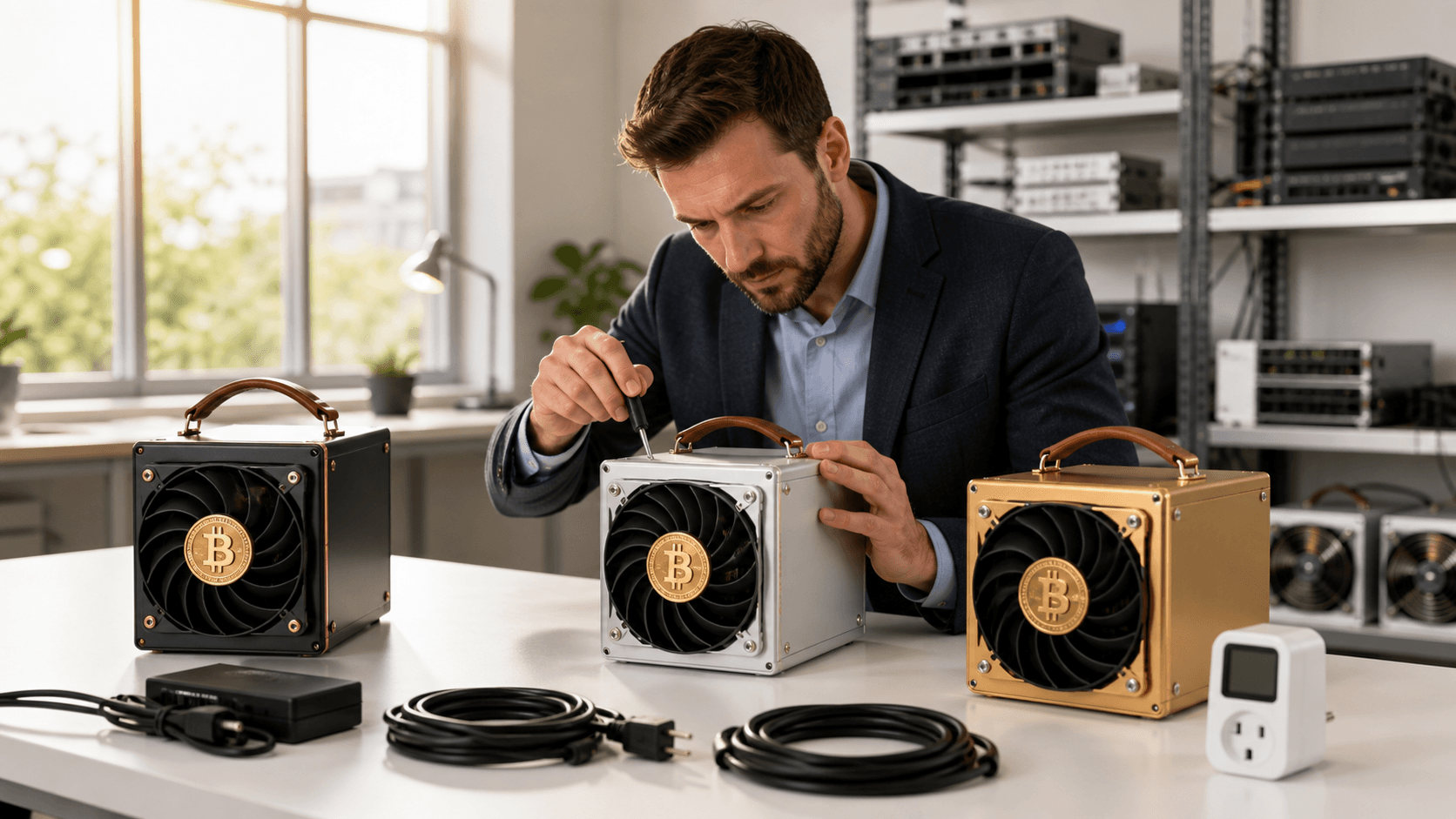
Useful accessories may include:
- A compatible power supply
- Ethernet cables or a reliable Wi-Fi solution
- Surge protection and temperature monitoring
- Replacement fans, cables, or approved cooling equipment
Choose Hardware With Confidence
Ready to start solo mining with a compact setup you can manage at home? Shop the best Bitcoin lottery miner for a practical entry into Bitcoin lottery mining. Saber Shore ships tested hardware from the United States and supports customers after the sale. If you need help selecting compatible power or cooling accessories, contact us before placing your order.
FAQs
Can A Bitcoin Lottery Miner Really Find A Block?
Yes, a Bitcoin lottery miner can find a block. The odds for small miners are extremely low, however, and no result is guaranteed.
Is A Lottery Miner Profitable?
We do not recommend buying a lottery miner with an expectation of predictable profit. Electricity cost, network difficulty, Bitcoin price, hardware settings, and luck all affect the outcome.
Can I Run One At Home?
Yes, if the model's power, noise, heat, cooling, and network needs fit your intended space. Smaller miners are often easier to place, while larger options need more planning.
Which Bitcoin Lottery Miner Is Easiest For Beginners?
The Bitaxe Gamma 601 is a strong beginner option for a compact, lower-power setup. The Avalon Nano 3S may be a better match if you place a higher value on a home-friendly experience and lower setup friction.